Seasonal Advice · 2 min read

Gretna Wood Fence Weather Guide: Timing and Protection

Nebraska experiences very extreme weather throughout the year, and this climate affects Wood Fence Installation in Gretna in several major ways. Alpha Fence Co works on properties all across Gretna, NE, where the soil conditions, freezing winters, and hot summers put a lot of stress on outdoor structures. Understanding how the local environment impacts Wood Fence Installation in Gretna will help property owners protect their investment for many years. Soil conditions in Gretna play a big part in how long a fence will stand. The local ground often consists of heavy clay, which expands when it gets wet and shrinks when it dries out. This shifting ground can push fence posts out of alignment if they are not installed correctly. Alpha Fence Co makes sure every post for Wood Fence Installation in Gretna is dug deep below the local frost line, which is typically around 36 to 48 inches deep. Setting posts deep into concrete prevents them from leaning or shifting when the seasonal moisture levels change. Seasonal timing is also very important for Wood Fence Installation in Gretna. Spring and fall offer the best temperatures for wood installation because the moderate weather allows concrete to cure properly without drying out too fast in the summer heat or freezing before it sets. Winter temperatures in Gretna often drop well below freezing, and frozen ground makes digging post holes very difficult and labor-intensive. Planning Wood Fence Installation in Gretna during the milder months ensures the materials perform at their best. Year-round care is required to keep wood fences looking good in the local climate. Wood fences are exposed to heavy snow, ice, and intense summer sunlight, which can cause the boards to dry out, warp, or crack. Applying a protective stain or sealant every 2 to 3 years helps shield the wood from moisture damage and UV rays. Property owners who want reliable protection can count on Alpha Fence Co for expert Wood Fence Installation in Gretna, Nebraska.

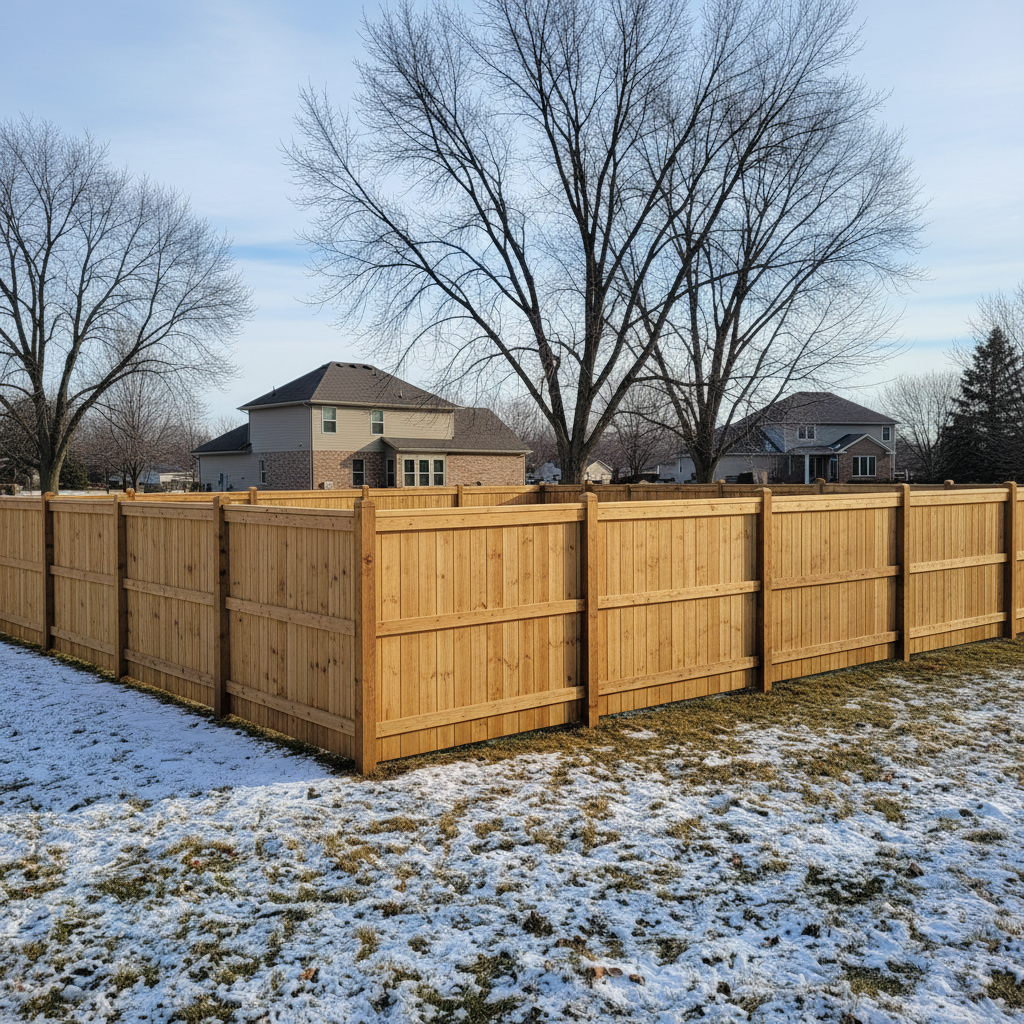
← Back to Blog Completed wood fence installation work at a residential property in Gretna, NE

Building a wood fence in eastern Nebraska means working with an extreme climate that can test even the sturdiest materials. Alpha Fence Co spends a lot of time helping homeowners figure out the right design for a new build. If you plan it right, your wood fence will weather the elements without leaning or rotting prematurely.

Understanding Local Soil and Weather Challenges

The heavy clay soil around Gretna retains moisture and shifts dramatically when we cycle through freezing winters and scorching summers. Frost heaves are real here. If post holes are not dug deep enough—well below that local frost line—your fence posts will start moving within a couple of seasons.

Spring brings heavy winds across open subdivisions and rural lots alike. Those sudden gusts put massive lateral pressure on fresh wood panels. Setting posts deep in concrete with proper drainage makes all the difference between a fence that stands tall and one that ends up in your neighbor's yard after a May storm.

Timing Your Wood Fence Installation

Late spring through early fall offers the most reliable conditions for getting posts in the ground and letting concrete cure correctly. Summer heat is fine, but you have to watch out for wood drying out too fast and splitting.

  • Early spring gives you great working temperatures, but watch out for saturated ground from melting snow.
  • Summer offers steady weather, though afternoon storms can occasionally delay outdoor framing work.

  • Fall is actually an ideal time because the soil settles nicely before the deep freeze sets in.

Protecting Your Investment Year-Round

Raw wood does not stand a chance against the Gretna sun and winter snow packs without some basic defense. Give your new fence a few weeks to dry out if the lumber is still holding moisture from the yard, then apply a quality stain or sealant with UV blockers. Reapplying every few years stops the graying and keeps moisture from penetrating the grain.

Keep soil, mulch, and heavy vegetation cleared away from the bottom boards. When wet grass and dirt pile up against the bottom of a wood fence, it traps moisture and rots the pickets from the ground up. A quick walk around your yard each season lets you spot loose hardware or shifting posts before small issues turn into major repairs.

Ready to Get Started in Gretna?

Contact Alpha Fence Co today for a free, no-obligation estimate on your project.

Get Your Free Quote