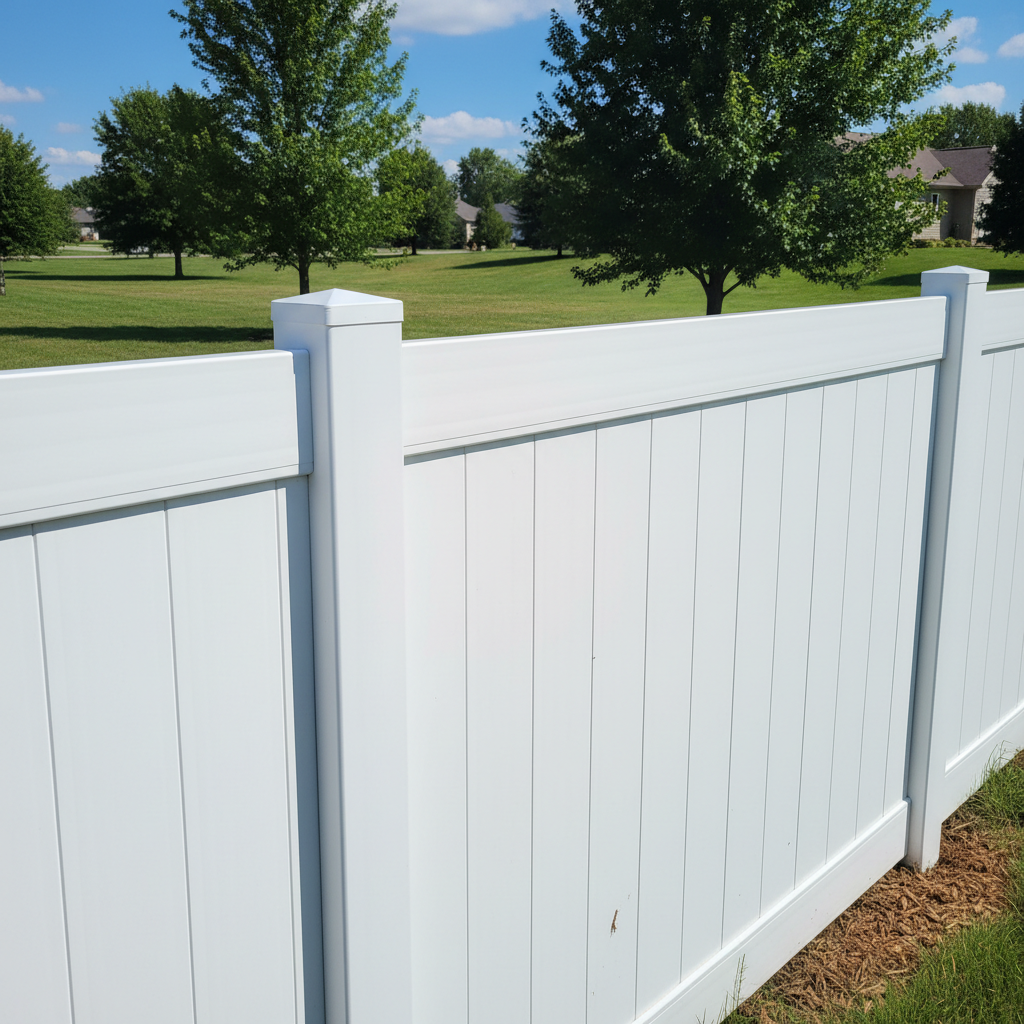
You're probably wondering if a vinyl fence is really the right move for your place. It's a big decision, and frankly, there's a lot of noise out there. As a local fence guy, I get a lot of the same questions from folks right here in Gretna, whether they're in a newer development like Tiburon or an older spot closer to Main Street. So, let's cut through the fluff and get to the real answers about vinyl fences.
How long does a vinyl fence actually last in Gretna's weather?
This is a big one, and it's a fair question, especially with our wild Nebraska weather. We get everything from scorching summers to brutal winters with ice and snow. A good quality vinyl fence, properly installed, should easily last you 20-30 years, maybe even more. I've seen some older ones that are still standing strong, you know? The key is 'good quality' and 'properly installed.' Cheap vinyl can get brittle over time, especially with our freeze-thaw cycles. It can crack or become chalky. But the better stuff, usually virgin vinyl with UV inhibitors, holds up incredibly well. It won't rot, rust, or splinter like wood or metal can. You won't be painting it or staining it, ever. That's a huge time and money saver over the decades.
Is vinyl really maintenance-free, or is that just a sales pitch?
Look, nothing is 100% maintenance-free. Even a rock needs to be moved sometimes. But vinyl fences come pretty darn close. You won't have to worry about sanding, painting, or staining, which is a massive win. What you might need to do is give it a wash now and then. Dust, dirt, and sometimes even mildew can accumulate, especially on the north side where it stays damp longer. A simple hose-down with a garden hose usually does the trick. For tougher spots, a little mild soap and water with a soft brush will clean it right up. Pressure washers can be used, but you've got to be careful not to use too high a pressure or get too close, or you could damage the surface. So, 'low maintenance' is more accurate than 'maintenance-free,' but it's still way less work than other fence types.
What about the cost? Is vinyl really more expensive upfront than wood?
Generally, yes, vinyl fences tend to have a higher upfront cost per linear foot compared to a basic treated pine wood fence. That's just the reality of the materials and manufacturing. However, you've got to look at the long game. That wood fence will need staining or painting every few years, maybe even repairs for rot or warping. Those costs add up fast. Over a 10-15 year period, you'll often find that the total cost of ownership for vinyl is actually lower because you're not pouring money into maintenance. It's an investment that pays off in time and, well, peace of mind. Think about it like this: you pay more now, but you save a lot later. For many homeowners, especially those who plan to stay put for a while, that long-term value makes vinyl a smart choice.
Can vinyl fences handle our strong Nebraska winds?
Absolutely. This is a common concern, especially after we've had some of those crazy derecho storms blow through. The strength of a vinyl fence really comes down to two things: the quality of the posts and rails, and the installation. Good vinyl posts have internal ribbing or are reinforced with steel or aluminum inserts, especially the gate posts. We always set our posts deep here at Alpha Fence Co, usually 30-36 inches, and use plenty of concrete. The soil around Gretna, with its clay content, can be pretty stable once the concrete sets. If the posts are set correctly and the panels are properly secured to the posts, a vinyl fence can withstand very strong winds. It's designed to flex a little, which helps it absorb some of that force rather than just snapping.
Are there different grades or types of vinyl fence I should know about?
Definitely. Not all vinyl is created equal. You'll hear terms like 'virgin vinyl' versus 'recycled vinyl.' Virgin vinyl is made from new PVC materials and generally has better UV inhibitors, making it more resistant to yellowing, fading, and becoming brittle over time. Recycled vinyl can be cheaper, but it might not hold up as well. Then there's the thickness of the fence components – the posts, rails, and pickets. Thicker walls mean a stronger, more durable fence. Some manufacturers also offer different textures, like a wood grain finish, which can look really nice. I always recommend going with a reputable manufacturer and asking about their warranty. A good warranty tells you the company stands behind their product, and that's important when you're making a significant investment.
What if a section gets damaged? Is it easy to repair?
One of the great things about vinyl is its modular nature. If a panel or a picket gets damaged – say, a kid hits it with a baseball or a rogue branch falls on it during a storm – it's usually pretty straightforward to replace just that section. You don't have to tear down the whole fence. We can often unclip the damaged picket or rail and slide a new one in. If a post is damaged, that's a bigger job, but still manageable for a professional. It's not like a chain link fence where a small tear can unravel a whole section, or a wood fence where matching weathered boards can be tough. The color consistency of vinyl makes repairs blend in much better.
Do vinyl fences come in different colors besides white?
Yep, they sure do. White is definitely the most popular, and it's a classic look that works with a lot of home styles. But you're not stuck with just white. Manufacturers offer a range of colors now, including tan, gray, and sometimes even darker shades like black or dark brown. The key with colored vinyl is to make sure it's a high-quality product. Darker colors absorb more heat, so the material needs to be engineered to handle that thermal expansion and contraction without warping or fading. Always ask to see samples of the actual color and check the manufacturer's warranty for colored products. Sometimes, darker colors might have a slightly different warranty against fading compared to white.