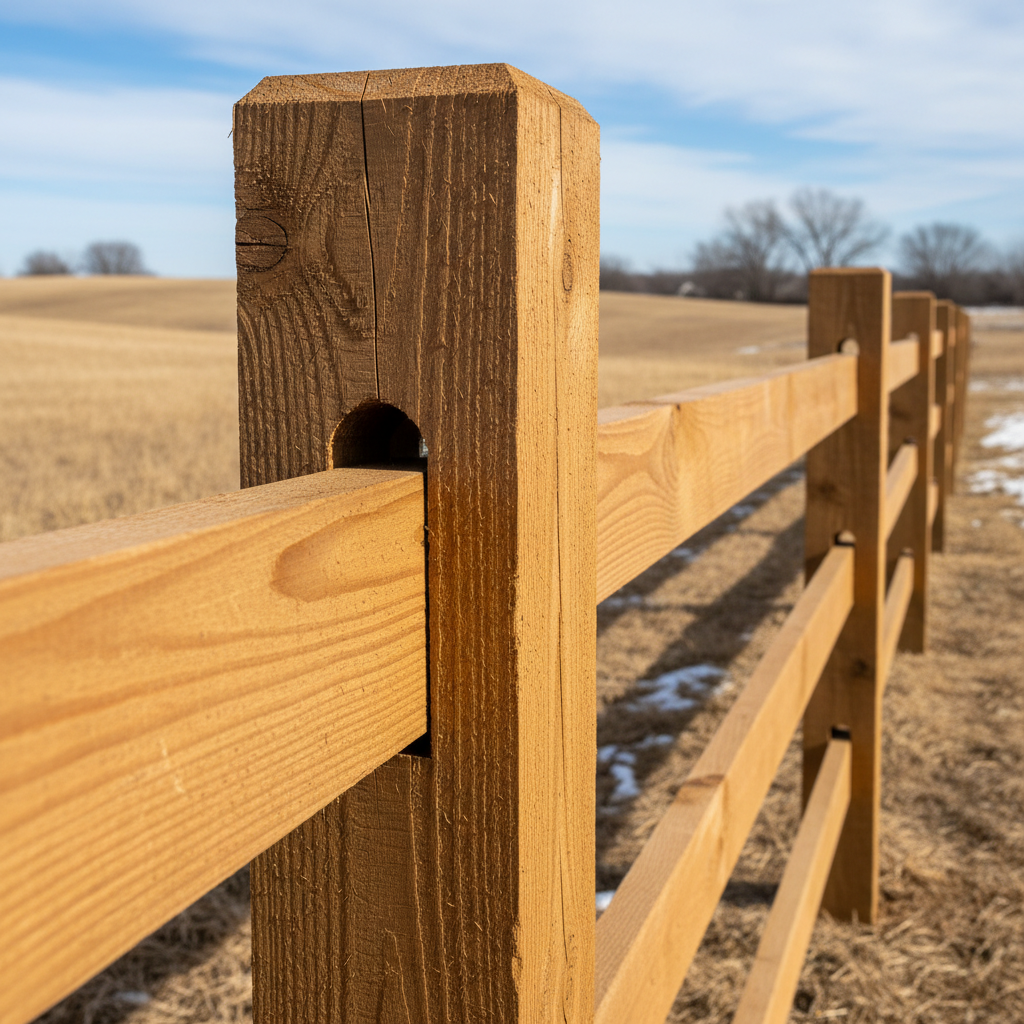
So, you've got some land in Gretna, maybe a few acres, and you're thinking about putting up a farm fence. Good idea. Whether it's for livestock, marking property lines, or just getting that classic rural look, a well-built farm fence is a solid investment. But it's not just about pounding posts in the ground, you know? There's a lot to consider, and I've seen plenty of folks bite off more than they can chew, or worse, cut corners that end up costing them more down the road.
Before You Start: Planning is Everything
This is where most of the heavy lifting happens, mentally speaking. Don't skip this part. You need to figure out a few key things before you even think about buying materials.
- Why do you need this fence? Is it to keep cows in, horses contained, or just to mark your property boundary? The purpose really dictates the type of fence you'll need. A five-strand barbed wire fence is great for cattle but terrible for horses, for example. A woven wire fence works for smaller animals but won't stop a determined bull. So, know your objective.
- What's your budget? Farm fencing can range from pretty inexpensive, like a simple three-strand electric fence, to quite pricey, especially if you're going with heavy-duty woven wire and treated posts every eight feet. Be realistic about what you can spend.
- What are the local regulations? This is huge in Gretna. You're not just building on your land; often, you're bordering someone else's. Check with the city or county planning department. Are there setback requirements? Easements? What about shared fence lines with neighbors? You definitely don't want to put up a fence only to find out you have to tear it down.
- Know your property lines. Seriously. Get a survey if you're not absolutely sure. Guessing can lead to legal headaches with neighbors. I've seen it happen.
- Consider the terrain. Our Gretna soil can be pretty varied, from soft loamy spots to some of that tougher clay. This affects how easy it is to dig posts and what kind of equipment you might need. If your land is hilly or has a lot of trees, that's going to complicate things compared to a flat, open field.
During the Project: DIY vs. Calling a Pro
Alright, you've done your homework. Now it's time to get your hands dirty. This is where you decide how much of a weekend warrior you want to be.
What you can probably DIY:
- Clearing the fence line: If it's just some brush or small saplings, you can handle this with a chainsaw and a bit of elbow grease.
- Stretching wire (for simpler fences): For a basic barbed wire or electric fence, you can usually rent a wire stretcher and get the hang of it. It takes patience, but it's doable.
- Minor repairs: Replacing a broken post or re-tensioning a sagging wire on an existing fence is often a good DIY job.
When to call Alpha Fence Co (or another pro):
- Heavy-duty post installation: If you're putting in hundreds of heavy, treated posts, especially in tough ground, you'll want a post driver. Renting one is an option, but operating it effectively takes skill. A professional crew has the right equipment and experience to get those posts plumb and sturdy, saving you days of back-breaking work and potential frustration.
- Complex terrain: Fencing on slopes, through wooded areas, or around tricky corners requires specialized techniques to keep the wire tight and the fence straight. It's not just about following a line, is it?
- Woven wire fencing: This stuff is a beast to install correctly. Getting it tight, even, and properly stapled without damaging the wire takes practice and specific tools. If it's not done right, it sags, looks terrible, and won't hold up.
- Large projects: If you're fencing multiple acres, the sheer scale of the work can be overwhelming for one or two people. Pros can get it done efficiently and correctly.
- Time is money: Sometimes, your time is worth more than the cost of hiring someone. If you'd rather spend your weekends doing something else, that's a perfectly valid reason to call us.
After the Fence is Up: Maintenance Matters
A farm fence isn't a set-it-and-forget-it kind of deal. It needs attention to last.
- Regular inspections: Walk your fence line regularly, especially after big storms or strong winds, which we get plenty of here in Nebraska. Look for broken wires, loose staples, leaning posts, or gates that aren't latching properly.
- Clear the fence line: Keep vegetation from growing into your fence. Weeds and brush can put pressure on the wire, cause shorts in electric fences, and just make your fence look neglected.
- Check tension: Over time, wires can loosen. You might need to re-tension them, especially on barbed or smooth wire fences.
- Repair promptly: Don't let a small problem become a big one. A single broken wire can quickly lead to a section of fence failing, and then you've got livestock out or a bigger repair bill.
Putting up a farm fence is a big project, but it's definitely achievable. Just make sure you do your homework, know your limits, and don't be afraid to call in the experts when you need them. It'll save you headaches and ensure your fence stands strong for years to come.