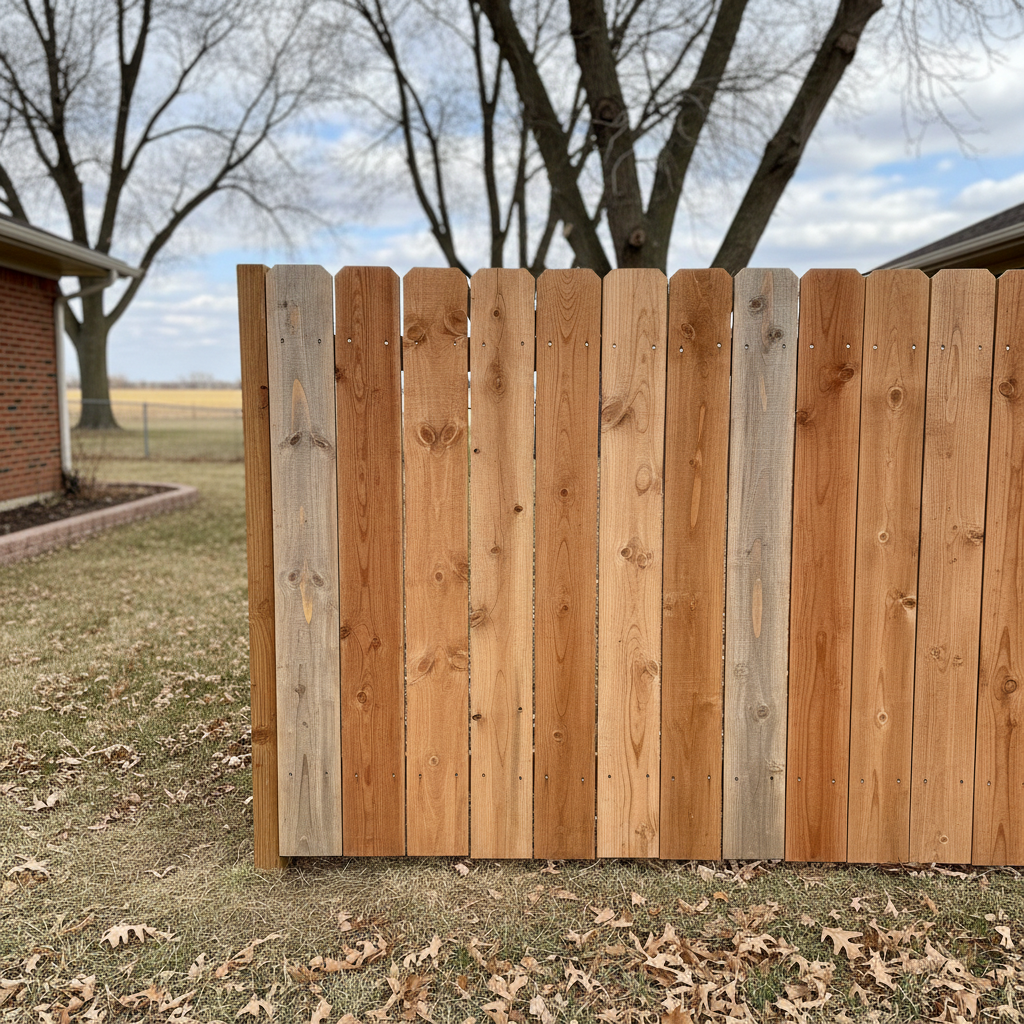
Your fence really takes a beating out here in Gretna, doesn't it? Between our wild Nebraska winds, those constant freeze-thaw cycles that just mess with the soil, and plain old everyday wear and tear, it's not a question of if your fence will need some care, but when. I've seen everything, from tiny dings to fences that look like they've been through a tornado. So, let's talk practically about getting things fixed up.
Before You Start: Figure Out the Damage
First things first, you've got to understand what you're up against. Walk along your fence line. Get right up close. Is it just a loose board? A cracked post? Or is half your fence leaning like it's had a few too many? This initial check is super important for figuring out your next steps.
- Minor stuff: We're talking about a single loose picket, a gate latch that isn't quite catching, or a small section of wire that's come undone. A handy homeowner can usually tackle these without much fuss.
- Moderate damage: This might mean a few broken pickets, a fence section that's sagging but the posts are still solid, or a gate that's dropped and needs rehanging. You could probably do these yourself, but it'll take more time and maybe some specific tools.
- Major problems: Think rotten posts, multiple fence sections blown down, a significant lean, or structural damage to your gate posts. If your fence looks like it's about to collapse, or if you spot widespread rot at the bottom of several posts—especially in those older wood fences in neighborhoods like Tiburon—that's usually a big red flag telling you to call in a pro.
When You Can DIY (and How to Do It)
Alright, so you've got some minor repairs. Good for you! Here's what you can realistically take on:
- Replacing a single picket or board: This is probably the most common fix. If it's wood, you'll need a pry bar to get rid of the old nails or screws, some new lumber (make sure it matches your current fence type and treatment, naturally), and a hammer or drill. Cut your new board to size, line it up, and secure it. Pretty simple, right?
- Tightening loose hardware: For gates, sometimes you just need to tighten screws on hinges or latches. Over time, they just work themselves loose. A screwdriver or a wrench is usually all you'll need. If the screw holes are stripped, you can try a bigger screw, or fill the old hole with wood filler and then redrill.
- Re-securing a loose fence section (if posts are okay): If a section of panels has pulled away from a post but the post itself is sturdy, you can often re-attach it. Use the right fasteners – galvanized screws for wood, or specific hardware for vinyl or metal fences. Don't just nail it back; screws hold a lot better.
Always wear gloves and eye protection, by the way. You'd be surprised what a splinter or a flying nail can do.
When to Call Alpha Fence Co (and Why It's Worth It)
Look, I'm all for saving a buck, but sometimes doing it yourself just isn't the smart move. Here's when you should pick up the phone and call a pro like us at Alpha Fence Co:
- Rotten or broken posts: This is a big deal. Replacing a fence post, especially if it's set in concrete, is a ton of work. You have to dig out the old concrete, often from our dense Gretna clay soil, set a new post correctly, and make sure it's perfectly straight and level. If you don't get it right, the whole section will just fail again. It's labor-intensive and needs specific tools like post-hole diggers and levels.
- Extensive damage: If multiple sections are down, or your fence has a serious lean across a long stretch, that's way beyond a quick fix. We can check the structural soundness of the whole fence and suggest the most cost-effective solution, whether that's fixing several sections or recommending a partial replacement.
- Gate structural issues: If your gate post is leaning, or the gate itself is twisted and no amount of hinge adjustment helps, you're probably looking at a bigger problem. Gates get a lot of use and often fail at the posts first, wouldn't you say?
- You don't have the time or tools: Let's be honest, not everyone has a full workshop or a free weekend. Sometimes, your time is better spent doing other things, and letting the pros handle the heavy lifting and specialized work. We've got the equipment and the know-how to get it done quickly and correctly.
- Safety concerns: If your fence is leaning dangerously, or if you're dealing with a complex repair that involves power tools you're not comfortable with, don't risk it. Your safety and the safety of your family and neighbors always come first.
After the Repair: Maintenance Matters
Whether you did it yourself or called us, a little ongoing maintenance really goes a long way. For wood fences, check it every year for signs of rot, especially near the ground. Think about re-staining or sealing every few years to protect it from our weather. For vinyl or aluminum, a good wash with soap and water can keep them looking new. Check gate latches and hinges regularly and oil them if they start to squeak. Catching small issues early stops them from turning into big, expensive problems down the road. It's just good common sense.