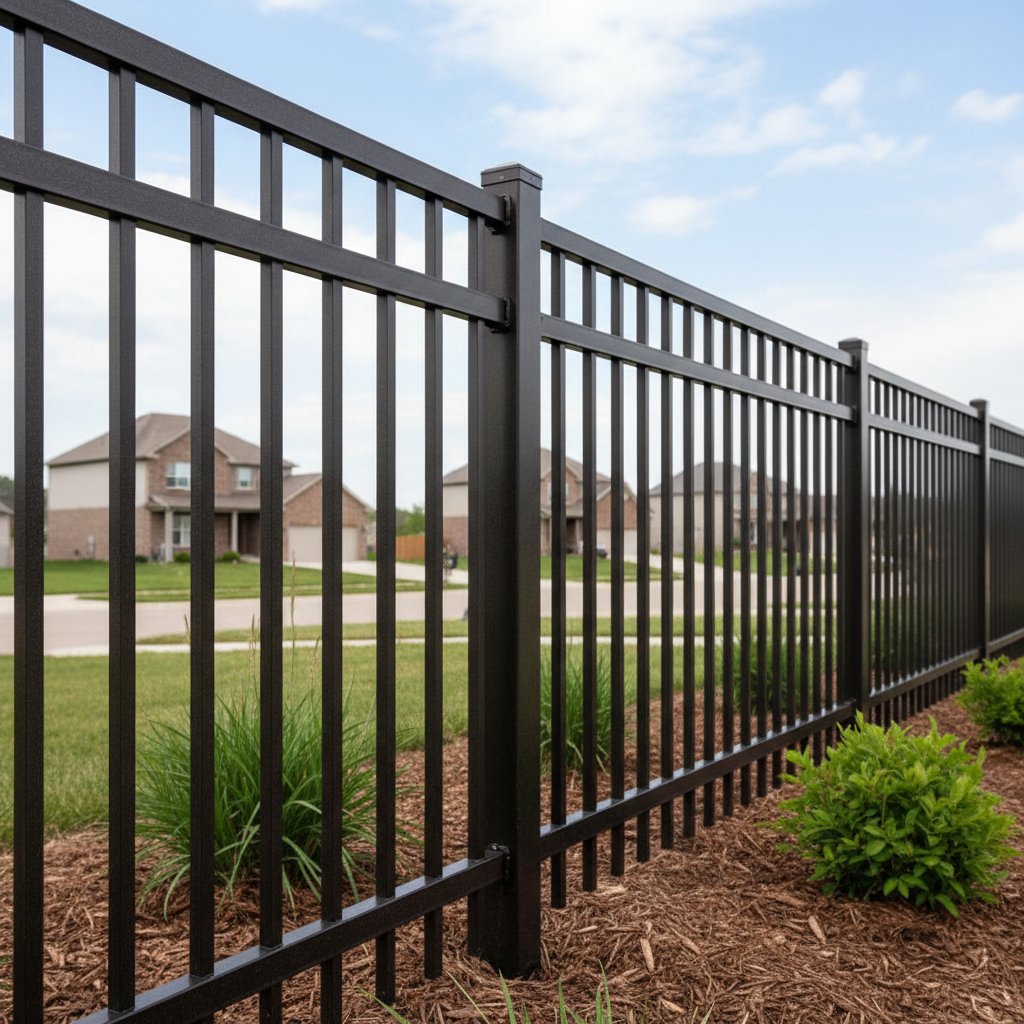
So, you're thinking about an aluminum fence for your Gretna home. Smart move. They look great, they're easy to keep up, and honestly, they stand up really well to our Nebraska weather – those icy winters and hot, humid summers don't faze them much. But when it comes to getting one installed, you've got a choice to make: are you going to roll up your sleeves and tackle it yourself, or call in a crew like Alpha Fence Co?
Before You Even Think About Digging
Before you buy a single fence panel, you've got some homework to do. This isn't just about picking out a style; it's about making sure your project goes smoothly and doesn't land you in hot water. First off, you absolutely, positively need to call 811. Every single time. It's the law, and it's there for your safety. Believe me, you do not want to hit a gas line or an electrical conduit. They'll come out and mark where all the underground utilities are, usually within a few days. Seriously, don't skip this step, ever.
Next, check with the City of Gretna. You'll need to know about permits and any specific zoning ordinances for fences in your area. Some neighborhoods, especially newer developments around places like Tiburon, have homeowner association (HOA) rules that dictate fence height, material, and even color. You really don't want to put in a beautiful fence only to be told you have to take it down because it's an inch too tall or the wrong shade of black.
You'll also need to know exactly where your property lines are. Don't just eyeball it, okay? If you're not 100% sure, a survey is definitely worth the investment. An aluminum fence isn't cheap, and you certainly don't want to accidentally build on your neighbor's land. That's a headache nobody needs.
Planning Your Layout and Materials
Once you've got the green light on permits and know your property lines, it's time to plan the fence itself. Measure everything. Seriously, measure twice, order once. Sketch out your yard, mark where gates will go, and figure out your total linear footage. Aluminum fence panels usually come in standard widths, often 6 feet, and various heights. You'll need posts for every panel, plus gate posts, and end posts. Oh, and don't forget the hardware – screws, post caps, and gate hinges/latches.
Consider the terrain. Gretna has some areas with pretty flat lots, but if your yard is sloped, you'll need to think about 'racking' panels. Racking means the panel can adjust to follow the ground's slope, keeping the bottom of the fence consistent with the grade. If your panels don't rack, you'll end up with big gaps under the fence on one side, or you'll have to step the fence, which can look a little clunky if it's not done right.
The DIY Installation: What's Involved
Alright, so you've decided to tackle this yourself. Here's a quick rundown of what you're in for:
- Digging Post Holes: This is probably the most labor-intensive part. You'll need a post-hole digger, or if you're smart, rent a power auger. Holes need to be deep enough to get below our frost line, which is typically 30-36 inches around here, plus enough room for gravel and concrete. So, you're looking at holes 8-10 inches wide and at least 36 inches deep. That's a whole lot of dirt to move.
- Setting Posts: This is where precision really matters. You'll set your corner and gate posts first, making sure they're perfectly plumb (straight up and down) and at the correct height. Use string lines to make sure your fence runs straight. You'll fill the holes with concrete, making sure to crown it slightly so water sheds away from the post.
- Attaching Panels: Once your posts are solid, you'll attach the fence panels using the brackets provided. This usually means drilling screws into the posts. Take your time, make sure everything is level, and that the spacing between the bottom of the fence and the ground is consistent.
- Installing Gates: Gates need to be hung perfectly plumb and level so they swing freely and latch securely. This often requires careful adjustment of hinges.
When to Call a Pro
Look, I'm all for homeowners doing what they can. It saves money, and there's a real sense of accomplishment when you finish something yourself. But there are definitely times when calling a professional fence company like Alpha Fence Co just makes sense. Here's when:
- Time is Money: Do you really have a few weekends (or more) to dedicate to this? Digging post holes for a whole yard is a massive undertaking, trust me.
- Complex Terrain: If your yard has significant slopes, multiple turns, or tricky landscaping, getting a perfectly racked and level fence can be incredibly challenging for a DIYer. Pros have the tools and experience to make it look, well, seamless.
- Heavy Lifting: Some aluminum panels, especially taller ones, can be awkward and heavy. You might need an extra set of hands, or two, for certain parts of the job.
- Tools: Do you own or have access to a power auger, a good level, string lines, a concrete mixer, and all the other bits and bobs? Renting can add up pretty quickly.
- Guaranteed Work: When you hire a pro, you're getting their expertise and usually a warranty on their labor. If something goes wrong, they fix it. If you DIY, you're on your own.
Ultimately, installing an aluminum fence yourself is a big project. It's totally doable if you're handy, have the time, and are willing to put in the effort. But if you're short on any of those, or if you just want the confidence that comes with a professionally installed fence that'll look great for years, give us a call. We've put up plenty of fences all over Gretna, from the older homes downtown to the newer builds out by Schramm State Park, and we know what it takes to do it right.
After the Installation
Whether you DIY or hire us, once your aluminum fence is up, the maintenance is pretty minimal. That's one of its best features! You'll want to periodically rinse it down with a hose to remove dirt and dust, especially after a windy day or a big rain. Check the gate hinges and latches once a year to make sure they're still tight and lubricated if needed. If you see any scratches, you can usually touch them up with paint from the manufacturer to prevent corrosion, though aluminum is naturally rust-resistant. Keep an eye out for any shifting posts, especially after a particularly wet spring, but with proper concrete work, that shouldn't be an issue.